We’d never choose a Rinjani departure from a sunny calendar icon alone. If you’re collecting Rinjani trekking season safety tips, the most useful starting point is whether your intended route is officially open and suitable for conditions on your actual dates.
Dry months can offer a more workable trekking window, but they don’t remove mountain risks. We’d put current park guidance alongside the forecast, then match the route to your fitness and recent hiking experience before discussing a summit attempt.
The month is only the beginning.
We’d keep these Rinjani trekking season safety tips handy while comparing dates.
A dry season date isn’t a safety guarantee
We understand the appeal of planning around Lombok’s broadly drier middle months. Rain can make steep ground slippery, and thick mist can complicate movement, so a drier window is useful when you’re arranging a demanding trek far from home.
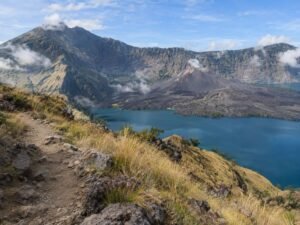
But dry has drawbacks too. We’d prepare for exposed slopes and dusty footing, with enough protection from the sun to avoid arriving at camp already drained by the approach.
Fire risk can also affect access during dry periods. We’d never assume a route is available simply because another travel page describes that month as ideal; the park can restrict particular areas or suspend trekking.
Our Rinjani trekking season safety tips start with the route
We’d separate the experience you want from the hardest itinerary you can squeeze into your holiday. A summit-focused trek and a crater itinerary can ask quite different things of your legs, especially when steep descents follow an already tiring climb.
Shorter isn’t automatically easier.
If the summit is your main goal, we’d discuss your recent mountain walking before comparing Rinjani summit trekking options, because compressing the journey can leave less time for rest between demanding sections.
We’d also avoid treating a route name as a permanent description of its condition. Torean access, for example, must be checked against current park decisions before it becomes part of an agreed itinerary.
Your preparation should include the descent
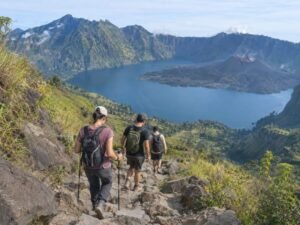
We’d take comfortable walking fitness seriously, but we’d also want to hear how you feel after several hours on uneven ground with a daypack, particularly when the final stretch goes downhill.
Downhill still counts.
Our Rinjani trekking season safety tips include preparing for the descent.
Repeated hill walks are more relevant preparation than assuming general gym fitness will cover everything. We’d build up gradually in the shoes intended for the trek, leaving time to discover pressure points before they become a mountain problem.
For a first mountain trip, we’d use our Rinjani trekking season beginner tips to frame the conversation around pacing and preparation, then adjust expectations to your experience rather than somebody else’s summit photo.
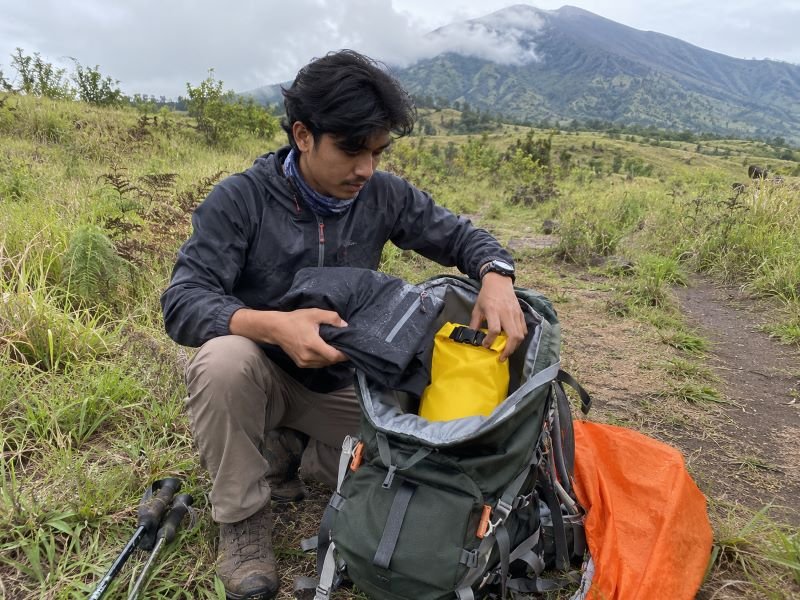
Rain protection still comes in the bag
We wouldn’t leave waterproof layers behind because the forecast looks encouraging. Mountain weather can change, and keeping your warm clothing dry is far easier than trying to recover comfort after everything in your bag gets wet.
Dry socks earn their space.
We’d discuss the sleeping equipment supplied for your itinerary, including whether it suits the expected overnight conditions. A tent alone doesn’t tell you how comfortably you’ll sleep, and poor rest can make the next day’s effort feel considerably harder.
For any planned walking before daylight, we’d want a working headlamp with backup power. We’d also keep drinking water accessible during the walk, with the water arrangements explained before departure so you’re not guessing between stops.
A slower pace leaves room for decisions
We’d prefer an honest conversation about fatigue early in the day to discovering someone has been struggling quietly for hours. A private itinerary gives us room to discuss your pace, although weather and park rules still set limits.
No summit is owed.
If you feel unwell, we’d want the guide involved immediately. A worsening headache or unusual exhaustion shouldn’t become something you push through for a photograph; the team may need to stop the ascent or arrange a descent according to the situation.
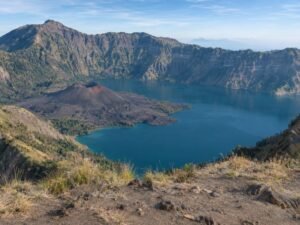
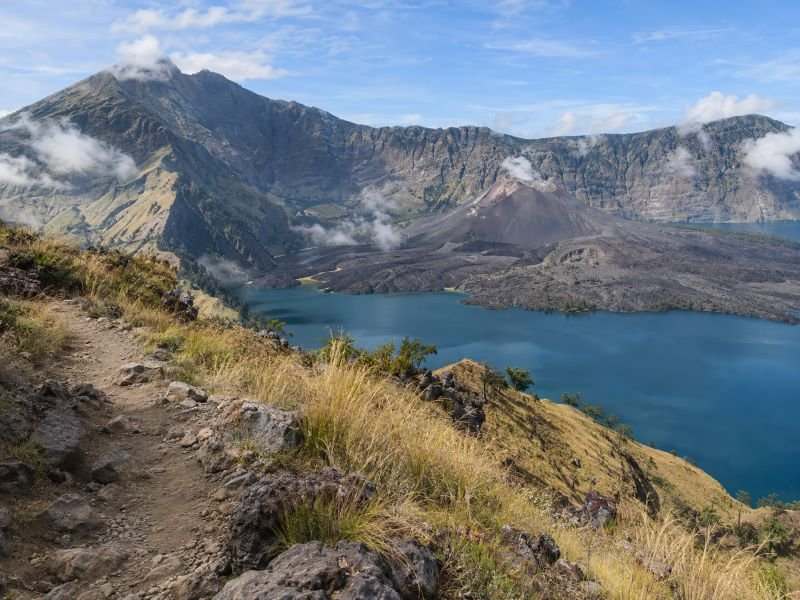
When picturing Rinjani Mountain Lombok, we’d leave space for that possibility from the beginning, so changing the plan feels like a sensible decision rather than a failed holiday.
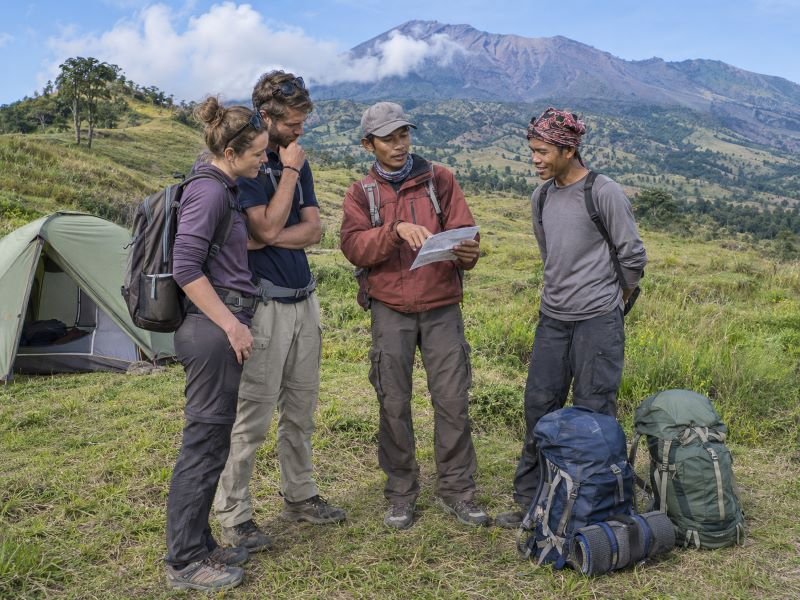
The guide and porter plan deserves attention
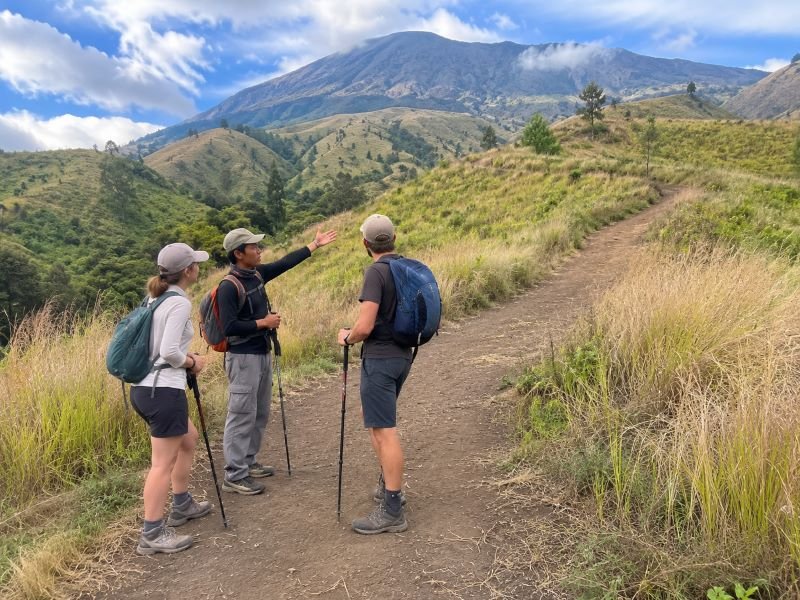
We’d want you to understand who leads the walking group and what happens if somebody cannot continue. Emergency communication and evacuation arrangements are worth discussing directly, including any limits to insurance coverage for your planned activity.
Details beat reassurance.
We’d discuss these Rinjani trekking season safety tips with your guide before departure.
Porter support doesn’t make every personal load disappear. We’d clarify what the team carries and what stays in your daypack, while keeping porter loads reasonable and allowing the crew proper rest.
We’d carry rubbish out and follow the guide’s advice around campsites. Respect for local customs belongs in the same conversation, particularly near places that hold cultural significance for the surrounding communities.
Can I trek during the rainy season?
Only if the intended route is officially open and conditions permit. We’d never suggest bypassing a closure, and we’d discuss another Lombok activity if trekking isn’t appropriate for your dates.
Is a clear forecast enough to attempt the summit?
No. We’d still weigh your condition against the trail and the guide’s assessment, because a promising forecast doesn’t tell us how you’ll feel after a long climb.
Does a private trek guarantee my preferred itinerary?
No. We’d personalise the plan around you, but permits and mountain conditions can still change where the group can go, even after arrangements have been agreed.
What should I send before booking?
Your preferred dates are a useful start. We’d also like your recent hiking experience and any concerns about difficulty, so the first recommendation reflects your actual holiday rather than a generic package.
For us, these Rinjani trekking season safety tips lead to a conversation. Message Lombok Adventure Trip through the official website with the trek you have in mind, and Wayan and the team can discuss route suitability alongside availability. We can then work through pickup arrangements and permits, with current weather guidance informing the plan before you commit.