The first thing I noticed about Lombok Senggigi hotels wasn’t the lobby design or the breakfast menu. Weirdly, it was the sound at night. Not silence exactly. More like waves breathing somewhere behind the buildings, scooters fading in the distance, a gecko clicking from a wall lamp. Small details. But they stay with you. Senggigi has that effect on people. You arrive thinking it’s just another beach town in Indonesia, then suddenly three days disappear and you’re sitting barefoot with coconut water wondering if you should extend your stay.
Some travelers come here during a longer Lombok trip. Others arrive straight from Bali because they heard the beaches are calmer, less crowded, maybe a little more honest. And honestly, that’s probably true.
Why So Many Travelers Choose Lombok Senggigi Hotels
There’s something easy about staying in Senggigi, especially around the quieter Lombok Senggigi hotels along the coastline. You don’t have to force the experience. The roads curve slowly along the coast, little cafés appear between palm trees, and sunsets happen almost theatrically every evening. Not in a dramatic influencer kind of way. More natural than that.
A lot of Lombok Senggigi hotels are built close to the shoreline, which means mornings feel softer somehow. You wake up, open the curtain, and there’s sea light everywhere. Sometimes fishermen are already out. Sometimes rain clouds hang low for an hour and then disappear like nothing happened.
The area also works for different budgets. That matters more than people admit.
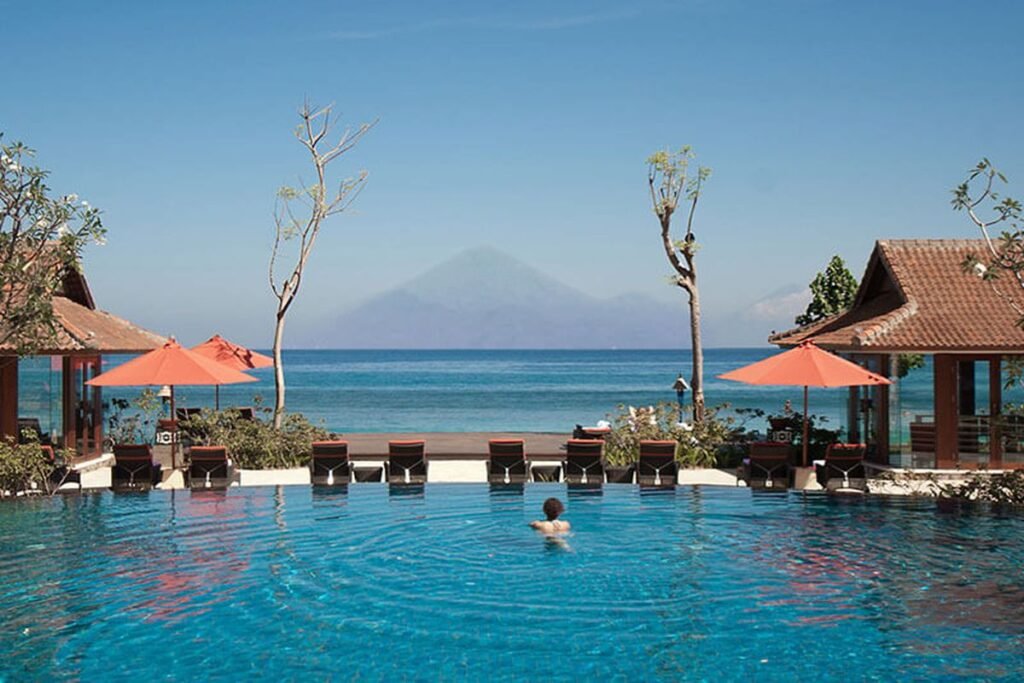
You can stay in a simple guesthouse with squeaky doors and incredibly kind owners, or choose a resort with infinity pools and breakfast facing the ocean. Both somehow fit the mood of Senggigi.
And maybe that’s the charm.
Not Every Hotel Feels “Perfect” — Which Is Actually Nice
Some places are polished. Some are slightly worn around the edges.
Honestly, I liked the second type more.
One small stay near the beach had slow Wi-Fi, uneven tiles, and a cat sleeping permanently near reception. But every evening the owner brought guests fried bananas and asked about their day. You remember things like that longer than marble bathrooms.
That’s why people keep talking about Lombok Senggigi hotels even after they go home. The experience often feels personal instead of transactional.
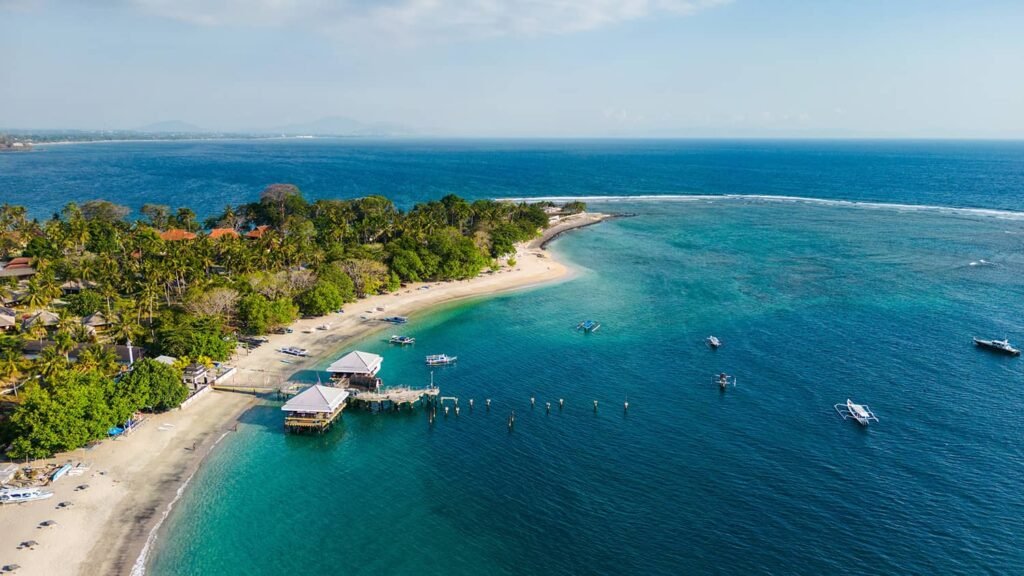
Beaches Near Senggigi That Quietly Steal Your Attention
When people search for the best beaches in Lombok, they usually mention Kuta Lombok or the southern coastline first. Fair enough. Those beaches are stunning. But Senggigi has a different personality. Less dramatic maybe, though somehow more relaxing.
Senggigi Beach itself is easygoing. Calm waves. Golden-gray sand. Local kids playing football near sunset.
Then there’s Nipah Beach a little farther north. Clear water. Small food stalls. Grilled fish smoke drifting through the air around lunchtime. It smells incredible, honestly.
Many Lombok Senggigi hotels offer direct access to smaller hidden beach spots too. Tiny stretches of sand where almost nobody talks loudly. You just hear water and occasional boat engines somewhere far out.
One afternoon I sat there for nearly two hours doing absolutely nothing.
Which felt surprisingly productive.
Sunsets Here Feel Different
Maybe every island claims to have magical sunsets. I know.
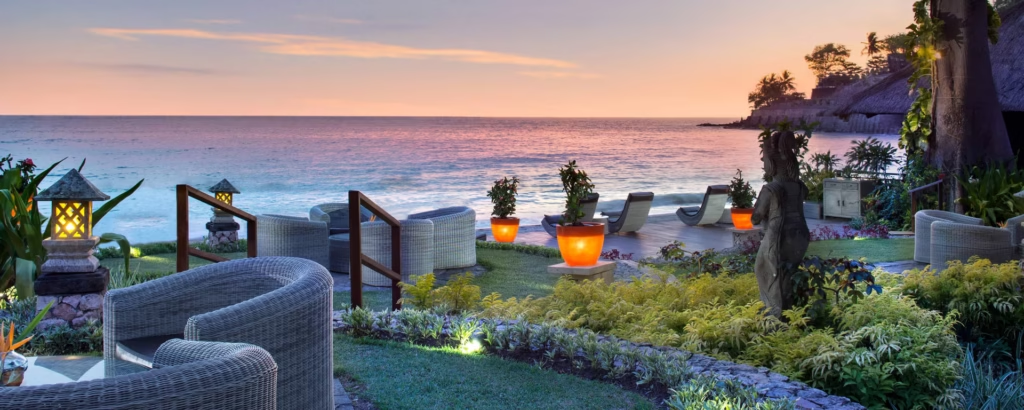
Still, Senggigi evenings really do linger in your memory. The sky changes slowly — orange, dusty pink, then deep blue. Couples stop talking for a minute. Restaurant staff quietly turn on lights one by one. Even the air smells warmer somehow.
Several Lombok Senggigi hotels place their restaurants directly toward the horizon, and that turns dinner into an event without trying too hard. No loud music necessary. The ocean already does enough.
What to Do Around Senggigi for a Short Escape
A lot of travelers ask what to do in Lombok for 3 days because, realistically, many people only have a long weekend here. The good news is Senggigi works perfectly for short stays.
Day one can honestly be slow. Beach walk. Seafood dinner. Early sleep.
Day two is usually island time. People head to the Gili Islands for snorkeling or diving. Boats leave in the morning, and by evening everyone returns slightly sunburned and very happy.
Day three? Maybe waterfalls.
That combination somehow feels balanced.
Many Lombok Senggigi hotels help organize tours without making things complicated, which is useful because not everyone wants to negotiate transport after breakfast while sweating in tropical humidity.
And yes, the humidity is real.
The Food Situation Is Better Than Expected
This surprised me.
I expected basic tourist food, but Senggigi actually has a mix of local warungs, seafood cafés, and small international restaurants tucked between shops. Some places look almost abandoned from outside and then serve incredible grilled squid inside.
One tiny restaurant near the main road played old jazz music while rain hammered the roof for an hour. Nobody rushed to leave. People just kept eating slowly.
Travel moments like that become oddly emotional later.
A few Lombok Senggigi hotels also include traditional Indonesian dishes during breakfast instead of only toast and eggs, which makes mornings feel less generic. Nasi goreng at 7 a.m. beside the sea? Very hard to complain about that.
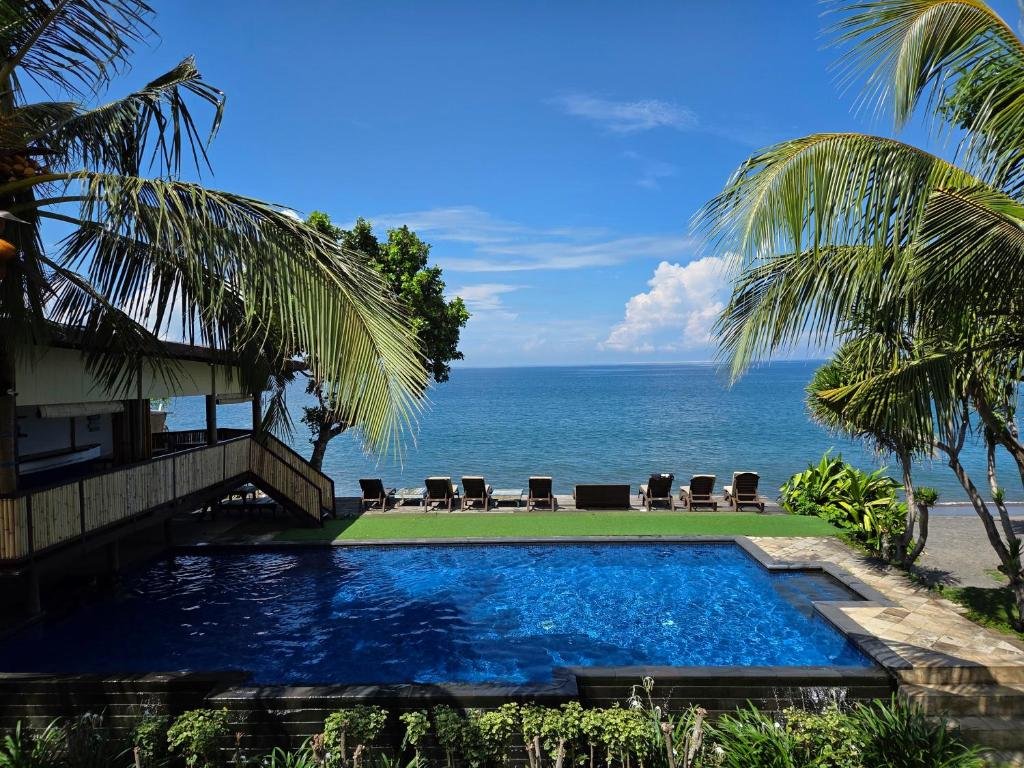
The Atmosphere Feels Slower Than Bali
This comparison comes up constantly, so maybe it’s unavoidable.
Bali has energy. Senggigi has breathing room.
Traffic exists, but not in the exhausting way. Beach clubs exist, though they don’t dominate everything. You can still hear birds in the morning instead of nonstop motorbike noise. That slower rhythm changes people a little. Even anxious travelers seem calmer after a day or two.
That’s probably another reason Lombok Senggigi hotels attract returning visitors instead of one-time tourists. The experience feels less performative. Less curated for social media.
More human.
Rainy Days Aren’t Even Bad Here
Strange but true.
Rain in Senggigi often arrives dramatically and disappears just as quickly. Streets become glossy, palm leaves shake violently, café roofs start echoing loudly. Then suddenly sunlight returns and steam rises from the pavement.
Watching storms from hotel balconies became one of my favorite memories.
Several Lombok Senggigi hotels are designed with open-air lounges, and rainy afternoons there feel weirdly cinematic. Travelers reading books. Staff quietly wiping tables. Tea cups steaming beside wet sandals.
Tiny moments again.
But those are usually the things people miss later.
Choosing the Right Area to Stay
If you want nightlife and restaurants nearby, central Senggigi works best. You can walk almost everywhere. If you prefer quieter mornings, staying slightly north gives more privacy and better ocean views.
The nice thing is distances stay manageable. Even from quieter sections, beaches and cafés are rarely too far away.
Some Lombok Senggigi hotels focus heavily on luxury experiences, while others feel more like relaxed tropical homes. Honestly, neither option is automatically better. It depends on your mood, your budget, maybe even who you’re traveling with.
Solo travelers often like smaller boutique stays because conversations happen naturally there. Families usually prefer resorts with pools and easier beach access.
Couples? Pretty much anywhere near sunset.
A Place That Stays in Your Head Longer Than Expected
I didn’t expect Senggigi to linger in my memory this much. That’s the truth.
Maybe because it never tried too hard.
The beaches weren’t shouting for attention. The streets weren’t overloaded with attractions. Even the best moments happened quietly — morning coffee, salty wind, distant prayer calls at dusk, sandals full of sand after dinner.
That atmosphere is difficult to manufacture.
And maybe that’s exactly why Lombok Senggigi hotels continue attracting travelers who want something calmer, softer, and slightly imperfect in the best possible way. During a Lombok trip, places like this become pauses between louder destinations. You rest differently here. You notice things again. Small things mostly.
Sometimes that’s enough.