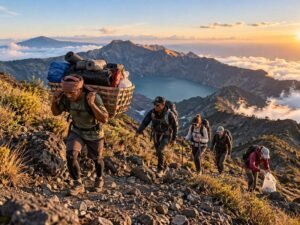
I didn’t expect Mount Rinjani weather to feel this personal. That sounds weird, I know. But standing there, somewhere halfway up the trail, I remember thinking… this isn’t just about temperature or rain. It feels like the mountain is changing its mind every few hours.
And you just… follow along.
The First Surprise You Don’t See Coming
You start warm. Almost too warm.
Sweat, dust, that typical tropical feeling. If you’ve done any Lombok adventure before, you’ll probably think, “okay, I get this.”
Then maybe an hour later—something shifts.
Not dramatically. Just enough.
A breeze shows up. Not strong. But colder than expected. You notice it on your neck first. Then your arms.
Mount Rinjani weather doesn’t flip like a switch. It slides. Quietly.
And that’s what catches people off guard.
It’s Not Just One Climate, It’s Layers
This part took me a while to understand.
You’re not dealing with one kind of weather. You’re walking through different zones, almost like changing rooms. Lower areas feel tropical, alive, a bit humid. Higher up… it’s thinner, drier, colder.
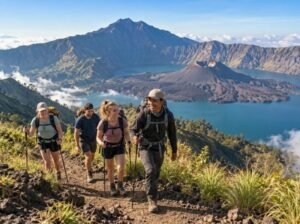
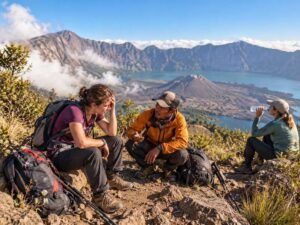
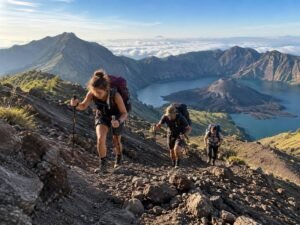
During Mount Rinjani trekking, I remember stopping just to take off a layer. Then putting it back on again 20 minutes later.
Annoying?
A little.
But also kind of fascinating.
Dry Season Isn’t Always “Comfortable”
People love to say April to October is the best time. And yeah, for Lombok tourism, that’s when everything is open, active, busy.
But “best” is relative.
Mount Rinjani weather in the dry season is stable, but not soft. The sun can be harsh during the day. Then at night, it drops fast. Not gradually—fast.
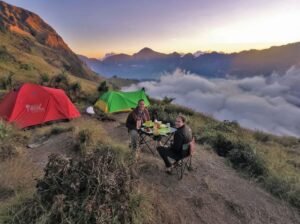
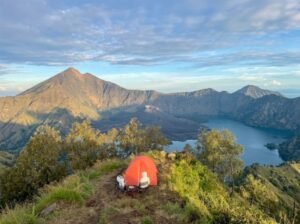
I remember lying in a tent thinking, “why is it this cold?”
No snow. No ice. Still cold.
Your breath turns visible. That moment always feels a bit surreal in Indonesia.
Rainy Season… Feels Slower
I didn’t do a full trek in the rainy season, but I talked to someone who did. He just laughed when I asked.
“Everything is slower,” he said.
That stuck with me.
Mount Rinjani weather during those months isn’t just about rain—it changes the pace of everything. Steps become careful. Conversations shorter. Even the air feels heavier.
Most trails close anyway, so unless you’re really determined, it’s not the time people choose.
Probably for good reason.
The Wind—Honestly, I Wasn’t Ready
No one really emphasized this enough.
Wind on Rinjani isn’t always dramatic, but it’s constant in certain areas. And sometimes, it builds up just enough to make you stop walking.
Not scary. Just… persistent.
There was a moment near the crater rim where I had to lean slightly forward just to keep balance. I remember laughing a bit. Not because it was funny, but because it felt unexpected.
Mount Rinjani weather includes wind as a main character, not just background noise.
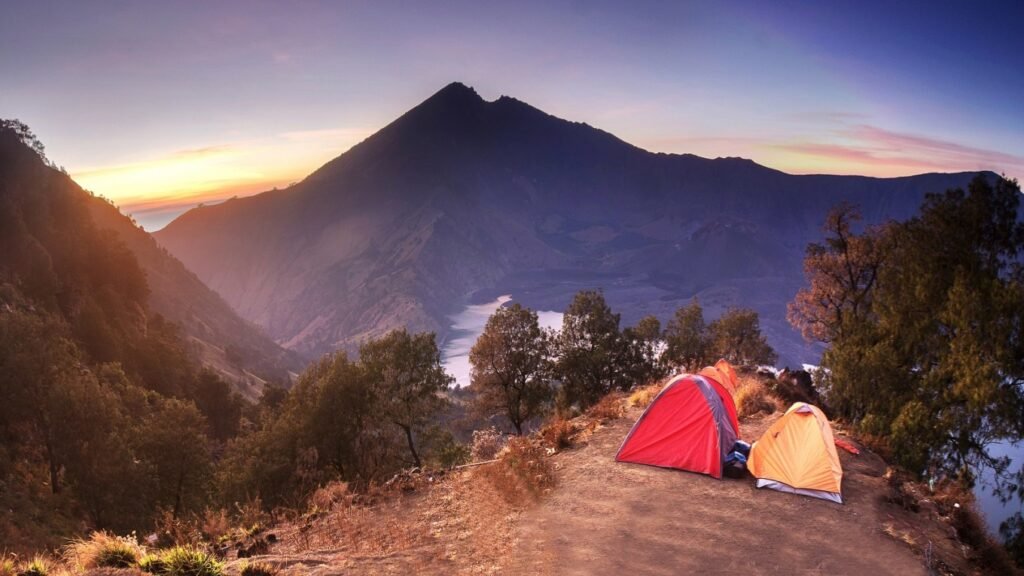
When Is the “Right” Time to Go?
If you ask ten people, you’ll get ten slightly different answers.
But generally, May to September works best. The weather is more predictable, which matters when you’re doing something as physically demanding as Mount Rinjani trekking.
Still, I’ll say this—predictable doesn’t mean boring.
And crowded doesn’t mean better.
Peak Lombok tourism months can feel busy. More tents, more voices, less silence. If that matters to you, maybe aim for the edges of the season.
Early May, maybe.
Or September.
Quieter. Slightly different atmosphere.
Small Moments You Don’t Expect
This is where Mount Rinjani weather becomes… something else.
Not just a condition, but part of the memory.
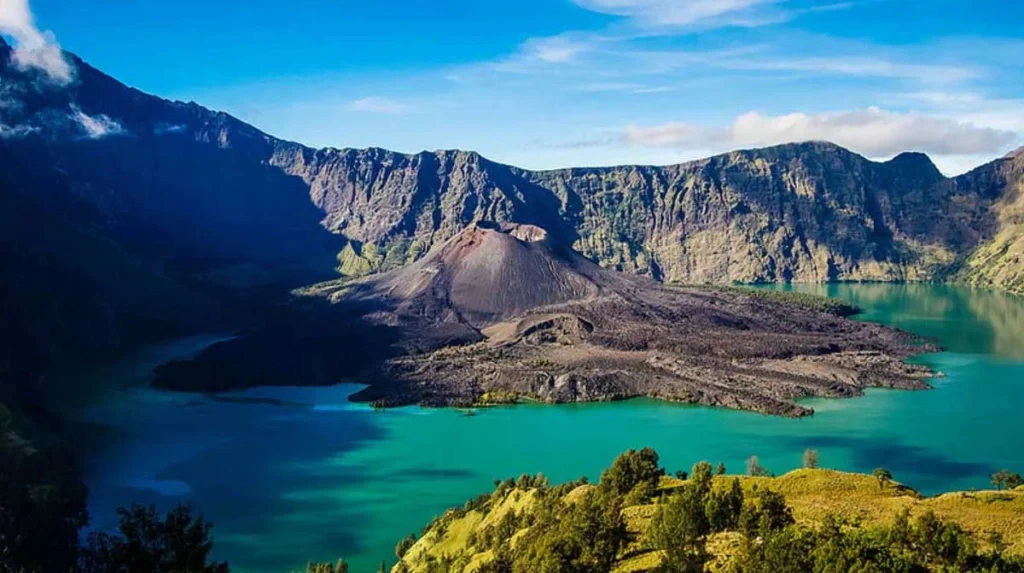
I remember sitting near the crater lake, doing nothing. Just watching. The clouds moved slowly, almost like they were floating on the water.
Cold air, but not uncomfortable.
No one talking.
That moment felt longer than it probably was.
And I think—if the weather had been perfectly stable, maybe it wouldn’t feel the same.
Packing—Yeah, It Matters More Than You Think
I used to underestimate this.
Big mistake.
Mount Rinjani weather changes fast enough that what you wear in the morning might feel completely wrong by afternoon. Then again at night.
So layers. Always layers.
Light clothes. Warm jacket. Something to block wind. Maybe gloves. You’ll thank yourself later.
And shoes—seriously, don’t go cheap on that part.
I saw someone struggling more with bad shoes than with the climb itself.
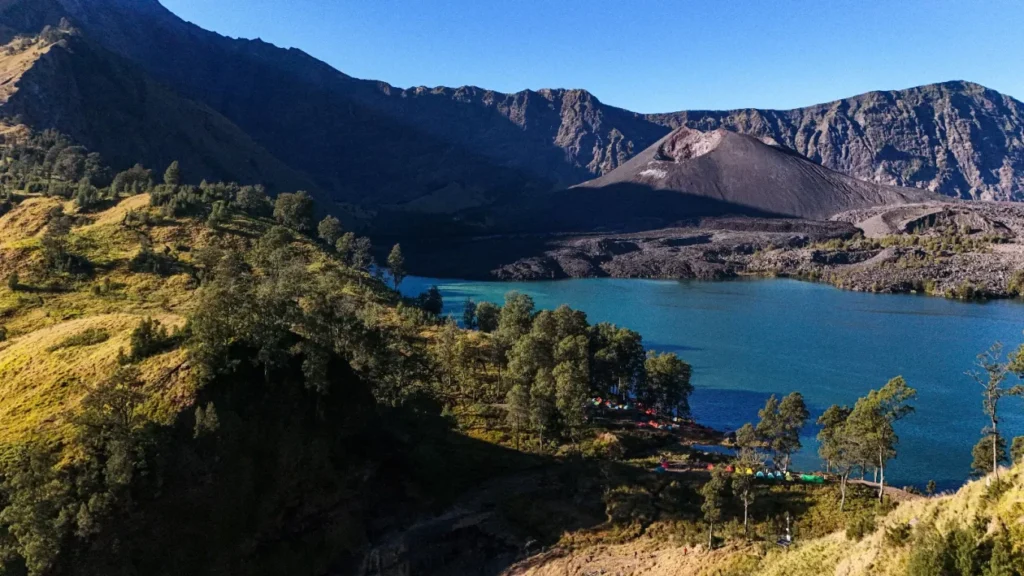
The Role of Weather in Lombok Tourism
It’s actually interesting how much Mount Rinjani weather shapes Lombok tourism.
When conditions are good, everything feels alive. Guides are busy, trekkers everywhere, the mountain feels… social.
Then during the off season, it goes quiet.
Not empty, just quieter.
Different energy.
Some people might even prefer that.
That Early Morning Climb to the Summit
This part… yeah, it stays with you.
You wake up in the dark. Still half asleep. Cold hits immediately. No warm-up, no transition.
Just cold.
You start walking anyway.
Step by step. Slow. The ground feels loose, like it doesn’t fully support you. You question it, briefly.
Why am I doing this again?
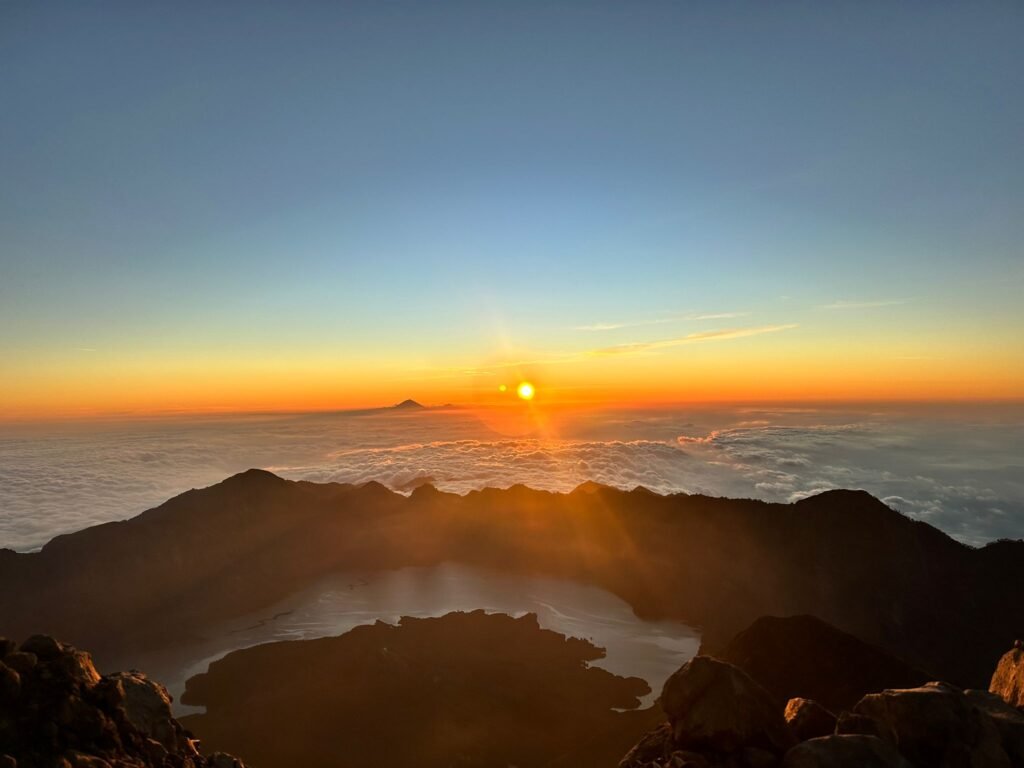
Then you reach the top.
Mount Rinjani weather at sunrise is cold, yes—but the light changes everything. Slowly. Soft colors at first, then brighter.
And suddenly, it all makes sense.
Not in a dramatic way.
Just… quietly.
Final Thoughts on Mount Rinjani Weather
Mount Rinjani weather isn’t predictable. Not fully.
And maybe that’s the point.
It forces you to adjust. To pay attention. To be present in a way that’s hard to explain until you’re actually there.
So if you’re planning a Lombok adventure, don’t just think about the views or the summit. Think about the experience as a whole—the changing air, the shifting light, the moments in between.
Because in the end, Mount Rinjani weather isn’t just something you deal with.
It’s something you remember.