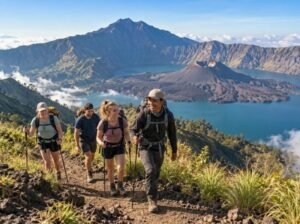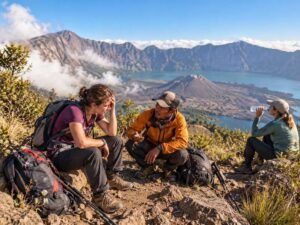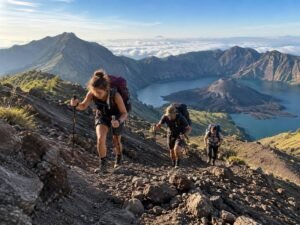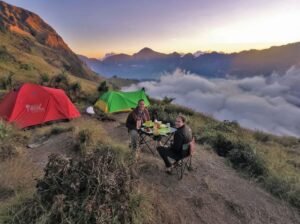
The first time I saw Rinjani crater lake, it didn’t feel real. Like one of those screensavers you stare at too long. The water—blue, almost glowing—and the silence up there… it hits differently. If you’re planning a Lombok adventure trip, this place will probably sit somewhere on your list. And honestly, it should.
But let me tell you, it’s not just about ticking off a destination.
It’s about the climb, the doubt halfway up, the wind that gets a little too cold at night, and that strange moment when everything goes quiet and you realize you’re standing inside a volcano.
Yeah. Inside.
The Pull of Rinjani Crater Lake
There’s something oddly magnetic about Rinjani crater lake. You don’t just visit it—you’re pulled toward it.
Maybe it’s the contrast. The harsh volcanic ridges surrounding a calm, almost hypnotic lake. Or maybe it’s the stories you hear from other travelers during a Rinjani trekking tour. Everyone describes it differently, but there’s always this pause… like they’re trying to find the right words and can’t quite get there.
I get that now.
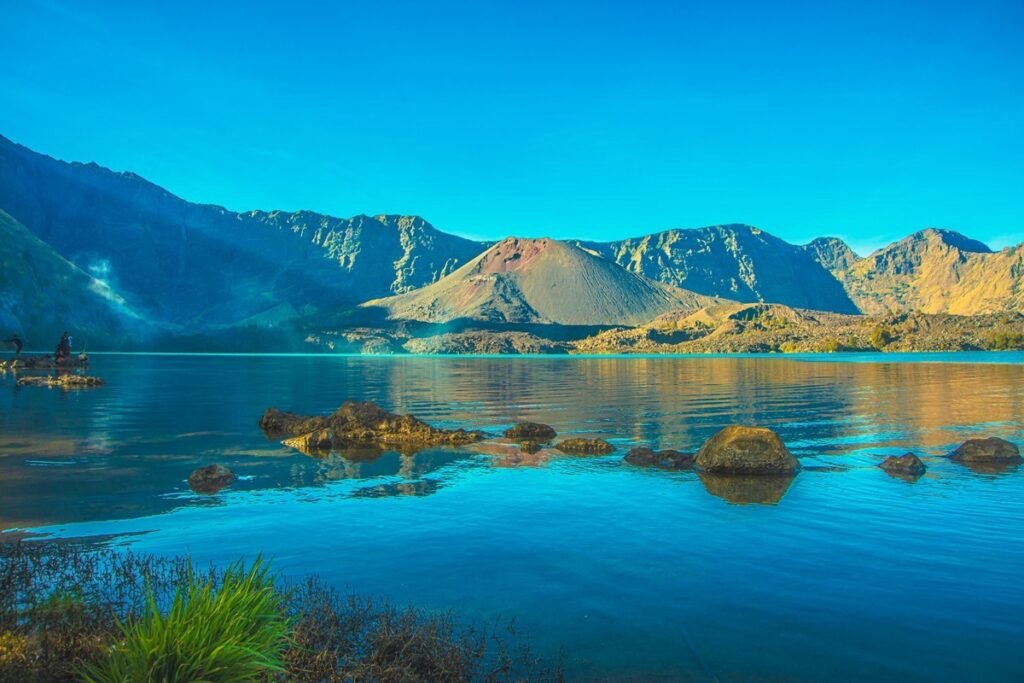
The lake, known locally as Segara Anak, sits deep within Mount Rinjani. It looks peaceful from afar, but you can sense the energy beneath it. It’s a reminder that nature isn’t always gentle. Sometimes it’s just… waiting.
Getting There Isn’t Easy (And That’s the Point)
Let’s be honest.
This isn’t a casual walk in the park.
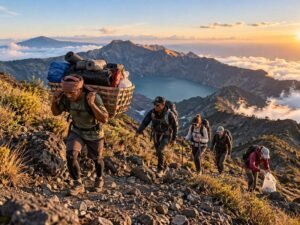
A Rinjani trekking tour usually takes 2 to 4 days depending on your route. And those days? They’re long. Dusty. Sometimes frustrating. Your legs will complain. Loudly.
But that’s part of the story.
You start in villages like Senaru or Sembalun, depending on the route you choose for your Lombok adventure tour. The trail begins gently enough. Green hills. Open skies. You feel confident.
Then it changes.
Steeper. Rockier. The air gets thinner. You start questioning your life choices somewhere around the third hour.
And yet… you keep going.
Because you know what’s waiting at the top.
That First Glimpse
There’s a moment.
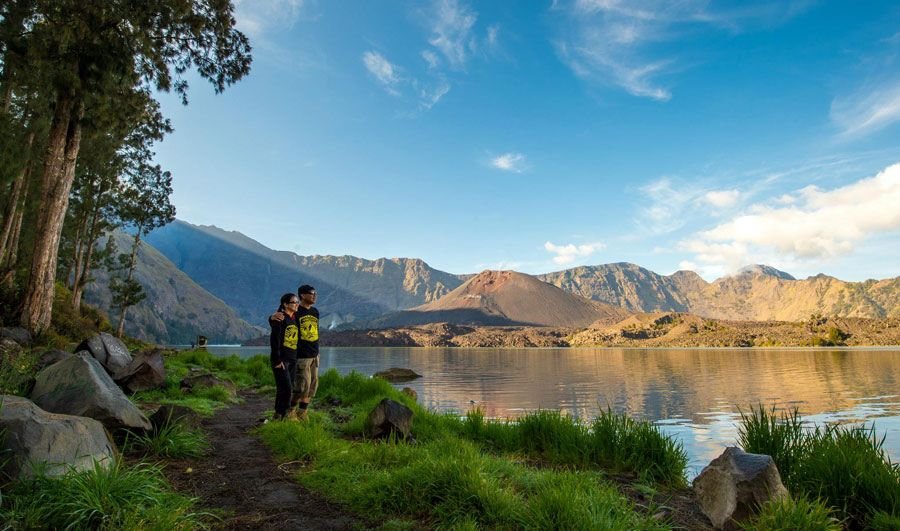
You reach the crater rim, and suddenly the world opens up beneath you. And there it is—Rinjani crater lake, sitting quietly in the middle of this massive volcanic bowl.
You don’t speak. Not immediately.
You just stare.
It’s strange how something so vast can feel so intimate at the same time. The colors shift depending on the light—deep blue, turquoise, sometimes even greenish. Clouds drift lazily above it.
And the wind. Always the wind.
Camping by the Crater
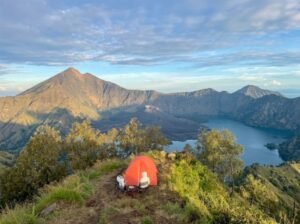
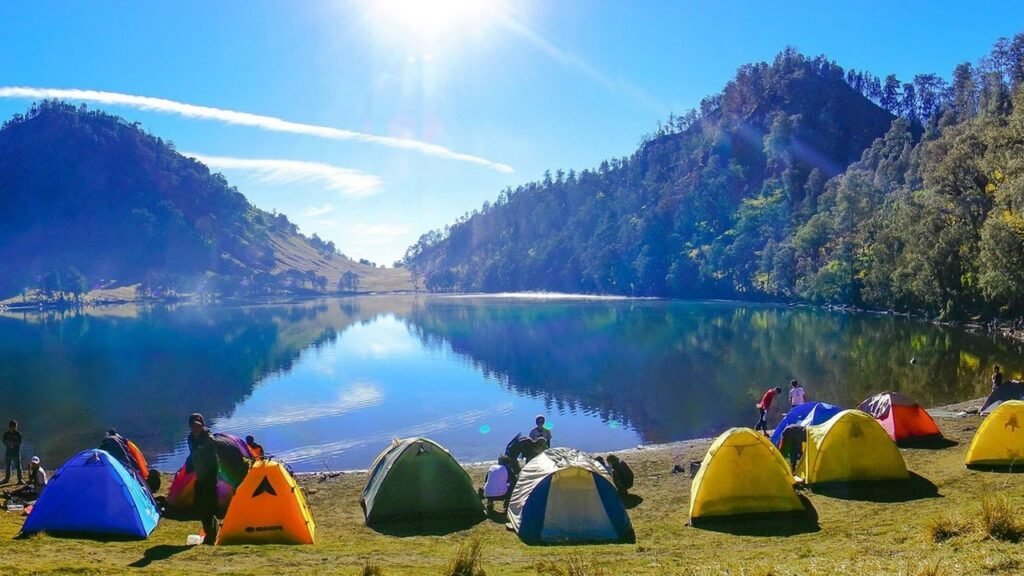
Most Rinjani trekking tour packages include an overnight stay near the crater rim. And honestly, that’s when things get… memorable.
The temperature drops fast.
You sit around a small fire with strangers who don’t feel like strangers anymore. Everyone’s tired, a bit dusty, maybe slightly delirious. But there’s laughter. Stories.
Simple food tastes incredible up there. Instant noodles? Best you’ve ever had. No debate.
And then the stars come out.
I remember lying in my tent, unable to sleep. Not because of discomfort, but because my mind just wouldn’t quiet down. The view, the silence, the sense of being somewhere far removed from everything familiar—it lingers.
Descending to the Lake
The next morning, you head down.
The trail to Rinjani crater lake is steep. Loose gravel. Slippery in parts. You have to stay focused.
But when you finally reach the bottom…
It’s worth it.
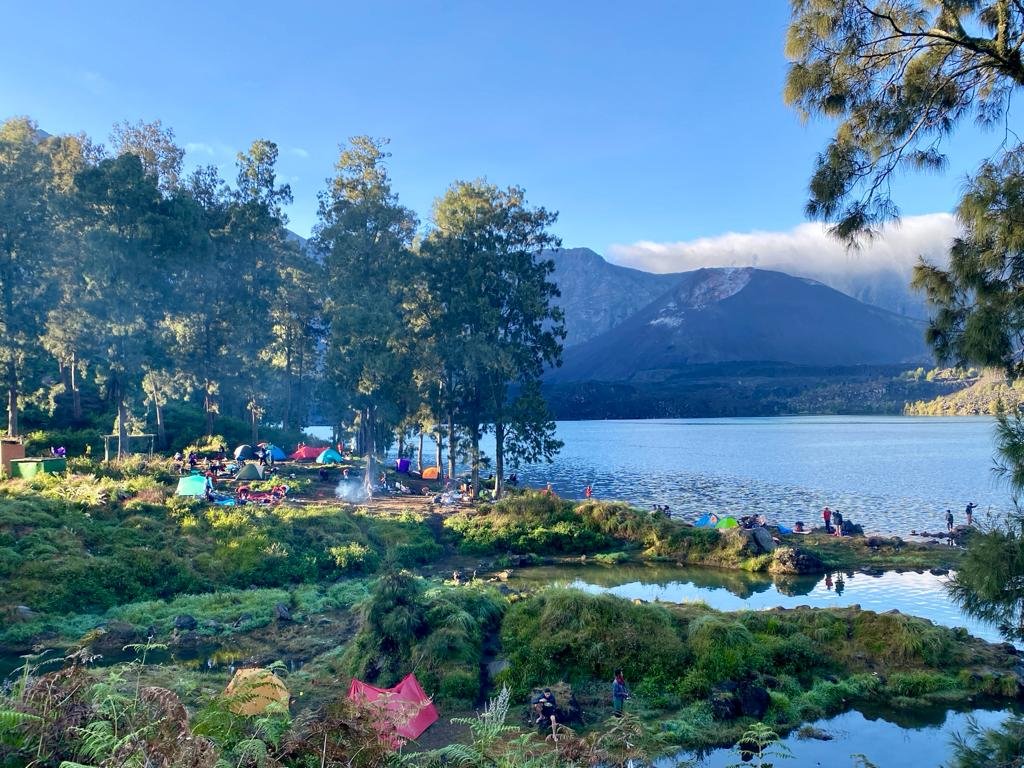
Up close, the lake feels even more surreal. The water is warm in some areas, thanks to geothermal activity. There are hot springs nearby where you can soak your aching muscles.
And trust me, you’ll want to.
It’s quiet down there. Different from the rim. More enclosed. Almost like the mountain is wrapping around you.
The Spiritual Side of Rinjani
Something people don’t always mention enough—Rinjani crater lake holds deep spiritual significance for the local Sasak and Balinese communities.
You might see offerings placed near the water. Small ceremonies happening quietly. It’s not for show. It’s real.
And it adds another layer to the experience.
You start to feel like a guest, not just a visitor.
Maybe that’s why there’s this unspoken respect in the air. People speak softer. Move slower.
It’s subtle. But noticeable.
Weather, Timing, and Small Realities
Not every day is perfect up there.
Sometimes the fog rolls in and hides the view completely. You hike for hours and see… nothing. It happens.
That’s nature.
The best time for a Lombok adventure trip to Rinjani crater lake is usually during the dry season, between April and October. Clearer skies. Safer trails.
But even then, conditions can change quickly.
You pack for heat, cold, wind, and maybe even rain. All in one bag.
Why People Keep Coming Back
This part surprised me.
You’d think one visit to Rinjani crater lake would be enough. It’s intense. Physically demanding. Not exactly comfortable.
But people return.
Again and again.
I met someone on my trek who had done it three times. I asked why.
He shrugged. Said something like, “It feels different every time.”
And I think that’s it.
The mountain doesn’t change much—but you do.
Tips If You’re Planning Your Trip
A few things I wish I knew earlier.
First, don’t underestimate the trek. Train a little before your Rinjani trekking tour. Even basic cardio helps.
Second, choose a good guide. It makes a huge difference. A reliable Lombok adventure tour operator will handle logistics, food, permits—things you don’t want to worry about halfway up a mountain.
Third, pack light. But smart.
And finally… take your time.
This isn’t a race.
The Feeling That Stays
Even after you leave, Rinjani crater lake sticks with you.
It shows up in small moments. When you’re back home, stuck in traffic, or scrolling mindlessly on your phone. You remember the silence. The wind. That impossible shade of blue.
And for a second, everything slows down again.
Funny how that works.
Not Just a Destination
If you’re thinking about a Lombok adventure trip, don’t treat Rinjani crater lake like just another stop on your itinerary.
It’s more than that.
It’s a challenge. A reset. Maybe even a bit of a test—of patience, endurance, perspective.
And yeah, it’s beautiful. Obviously.
But it’s also raw. Unpredictable. A little uncomfortable at times.
Which, oddly enough, is exactly why it matters.