
People often arrive in Tetebatu with a simple plan.
See the waterfall. Take a few photos. Move on.
Then the village gets in the way of that plan.
Not in a bad way.
The road becomes quieter. The air feels different from the busier parts of Lombok. Somewhere along the walk, the schedule starts to matter less. That shift usually happens before anyone reaches Tetebatu waterfall.
And honestly, that is probably the point.
Most people expect the waterfall to do all the work
It rarely does.
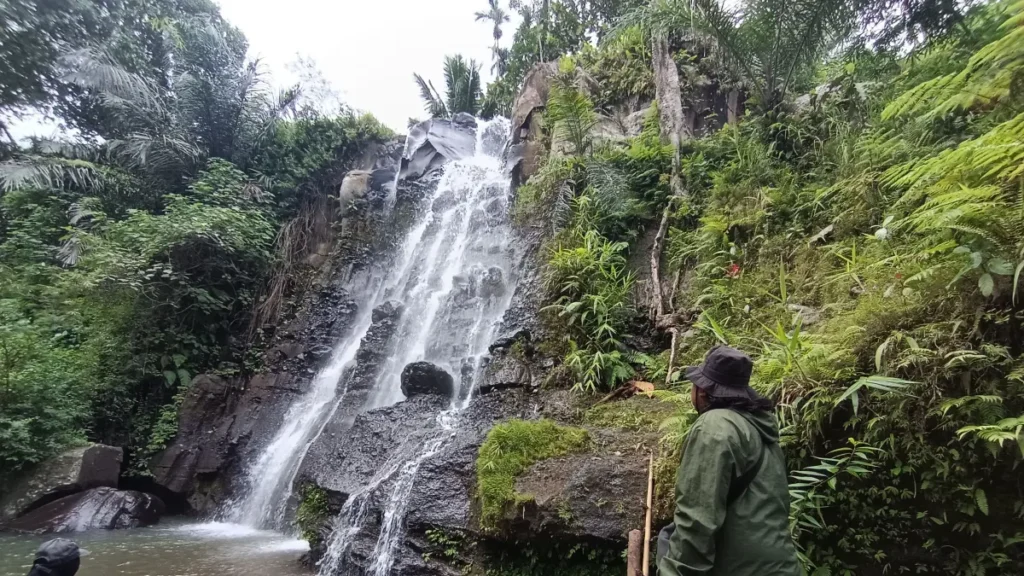
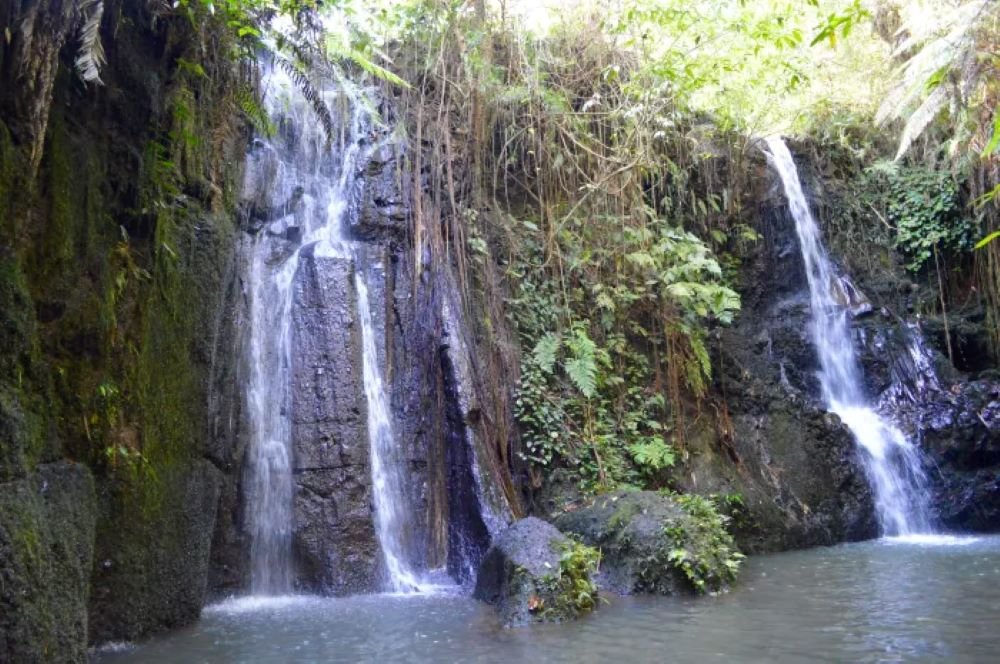
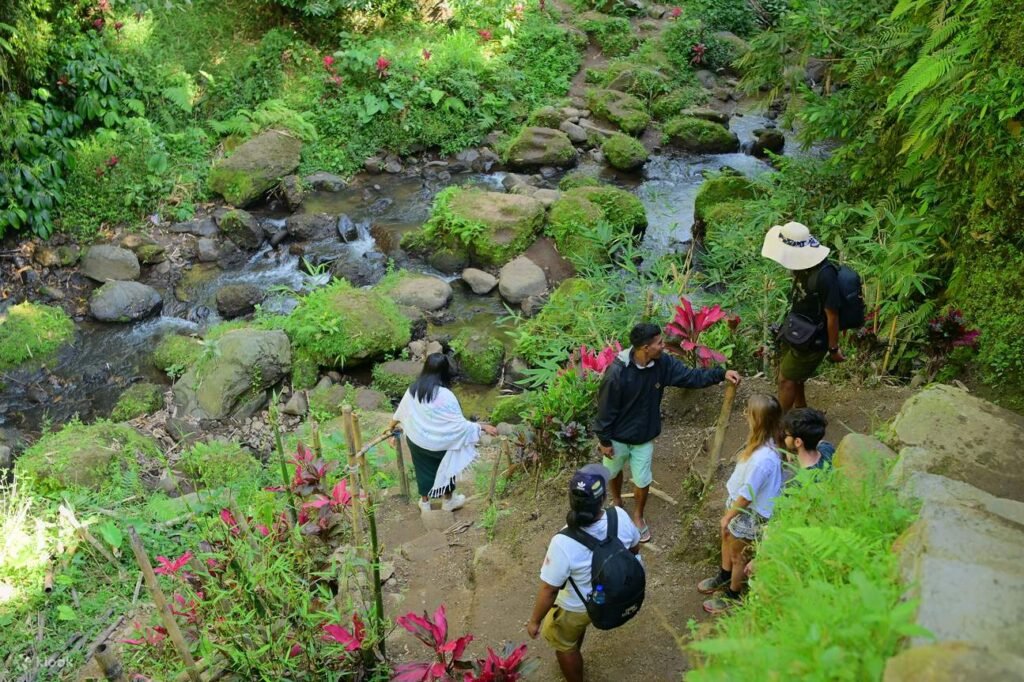
The waterfall is beautiful, but the approach changes how the place feels. A narrow path cuts through farmland. Water moves beside the trail in several sections. Sometimes you hear the falls before you see them.
That buildup helps.
A lot of destinations show everything immediately. Tetebatu makes people walk a little first.
Visitors often pair the route with the nearby Tetebatu rice terrace. The combination works because neither place feels disconnected from local life. You are not stepping into a tourism zone. You are walking through a village that happens to welcome visitors.
The trail tells you more than the viewpoint
A typical Tetebatu waterfall guide will explain distance, access, and walking time.
Useful information.
But it does not really explain why people end up staying longer than planned.
The trail keeps changing. One minute there is shade overhead. A few minutes later the view opens across rice fields. Then the sound of running water returns again.
Nothing feels dramatic.
Yet the walk never becomes boring.
That is harder to capture in photos.
After rain, things change quickly. Ground that looked harmless in the morning can become slippery later. Visitors wearing proper shoes usually enjoy the route more. That lesson repeats itself surprisingly often.
The slower pace is what people remember
There are bigger waterfalls in Lombok.
There are also easier waterfalls to reach.
Tetebatu still stays in people’s memories.
I suspect the reason has less to do with the waterfall itself and more to do with the pace of the day.
Nothing pushes you forward.
You sit longer than expected. You stop for photos less often because the scenery never really disappears. Someone is working in a field. A local guide points out a plant you would have ignored. Time stretches a little.
That sounds like a small thing.
It rarely is.
Trying to squeeze it into a packed itinerary usually backfires
Many travelers build schedules that look impressive on a screen.
Three waterfalls. Two viewpoints. A village stop. Maybe a sunset location at the end.
Then the day arrives.
Everything becomes a race against the clock.
Tetebatu is one of those places that loses something when rushed. If there is one recommendation worth making, it is this: leave space in the day.
Not because you need more activities.
Because you probably do not.
Travelers exploring several regions often include Tetebatu within a broader Lombok loop tour. The route feels more natural that way. Less backtracking. Less time staring at maps.
Comparisons are inevitable
People often ask whether Tetebatu is better than northern waterfalls.
I do not think that is the right question.
If somebody wants dramatic scenery close to Mount Rinjani, places like Sendang Gile waterfall are easy to understand. The scale is obvious.
Tetebatu works differently.
It grows on people.
The appreciation tends to happen gradually rather than all at once.
Some visitors barely mention the waterfall afterward. They talk about the walk. The village. The quiet roads on the way back.
That tells its own story.
Little details matter here
The village is not a backdrop.
People live here.
You notice it in small moments. Someone carrying tools across a path. Children heading home in the afternoon. Farmers continuing their work without paying much attention to visitors.
Ordinary scenes.
Yet they give the area its character.
Being respectful is not complicated. Stay on established trails. Ask before taking close-up photos of people. Take rubbish back with you.
Simple habits. Worth keeping.
One stop can lead to another
Some travelers continue toward the Rinjani region after visiting Tetebatu.
Others head back toward the coast.
If your route includes Senaru Village, the contrast is interesting. The atmosphere shifts noticeably. Conversations start revolving around trekking routes and mountain conditions rather than farmland and village life.
Both places feel distinctly Lombok.
Just in different ways.
Before you decide
Ask ten visitors what they remember about Tetebatu and the answers will probably be different.
Some mention the waterfall.
Some talk about the walk.
A few end up talking about things that were never part of the plan at all.
That is usually a good sign.
If you are thinking about visiting tetebatu waterfall as part of a wider Lombok adventure, contact Lombok Adventure Trip through the official website. Wayan and the team can help explain route options, current trail conditions, pickup arrangements, trekking plans, seasonal considerations, and practical details based on the way you prefer to travel.