The funny thing about Senaru is that many people think they already know what they are coming for.
A waterfall. A few photos. Maybe a short walk through the forest before heading somewhere else.
Then the day unfolds differently.
The road climbs into cooler air. Mount Rinjani starts appearing between the trees. Local farms replace busy streets. By the time travelers reach the trailhead, the waterfall is still the reason they came, but it is no longer the only thing they are paying attention to.
That happens often in northern Lombok.
A visit to Senaru Waterfall can easily become the first chapter of a much larger adventure.
What travelers usually mean by Senaru Waterfall
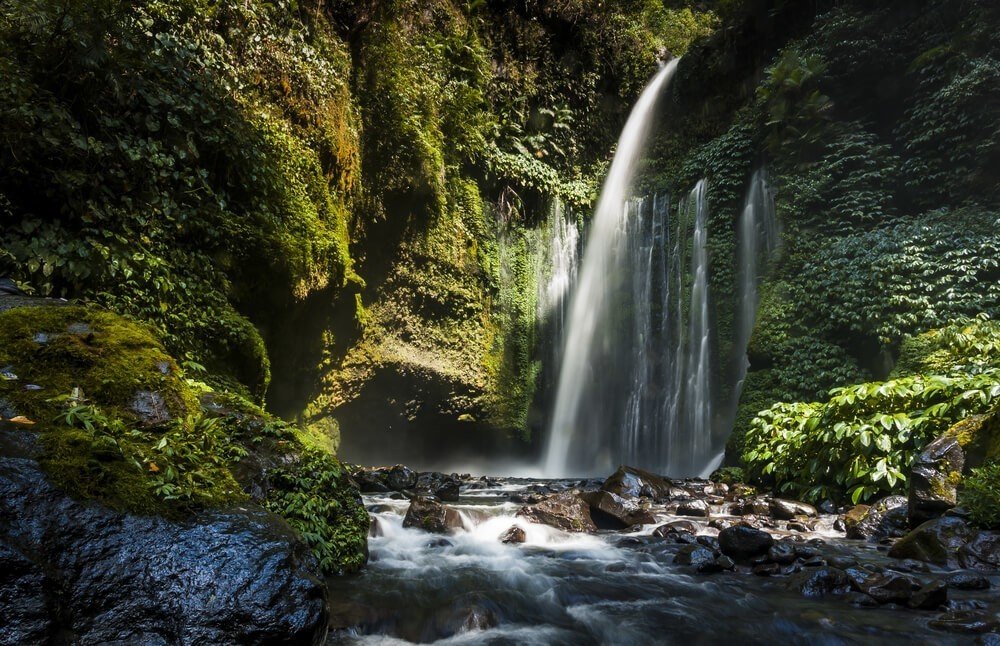
Most visitors are actually referring to two waterfalls located inside the same protected forest area.
The first is Sendang Gile.
The second is Tiu Kelep.
Sendang Gile is closer to the entrance and requires less walking. Tiu Kelep sits deeper inside the forest and asks for a bit more effort.
Many travelers expect the waterfalls to be the highlight.
Sometimes the trail steals the show.
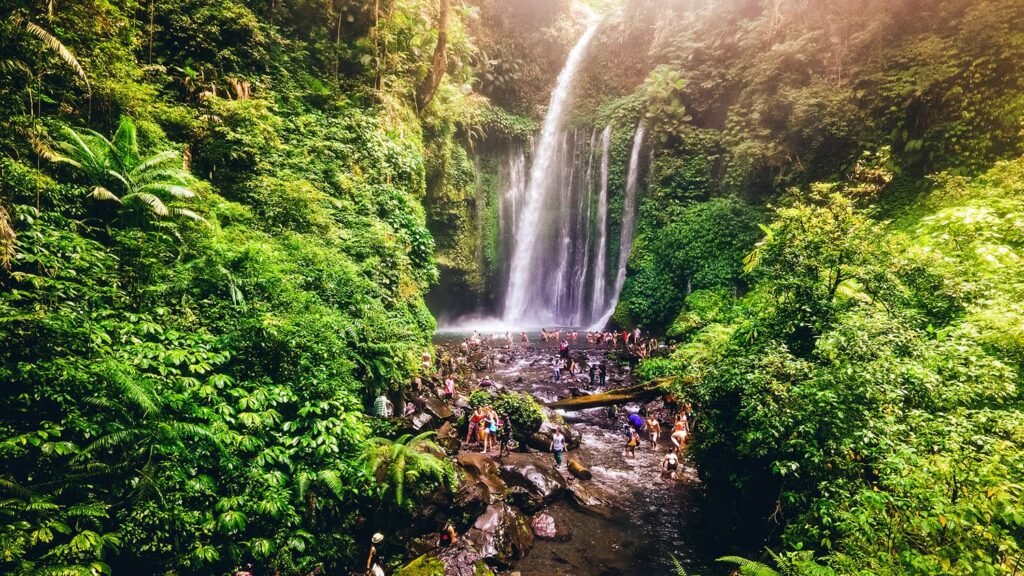
You walk beneath tall trees. Water runs across sections of the path. The sound of the river comes and goes. Then, just when the forest feels fully closed around you, the waterfall appears.
That moment feels earned.
Why this part of Lombok feels different
There are beautiful waterfalls in many places across Indonesia.
Senaru stands out for another reason.
The village sits at the edge of Mount Rinjani National Park. Nature feels closer here. Temperatures are lower than in much of coastal Lombok. The atmosphere remains connected to daily village life rather than large-scale tourism.
Nothing feels rushed.
That is becoming harder to find.
Many international travelers who spend time in Bali notice the difference immediately after arriving in Senaru.
The pace changes.
People slow down.
The landscape encourages it.
Walking to Sendang Gile and Tiu Kelep
The route begins with a descent.
At first it feels easy. Then the forest becomes denser and the sounds of flowing water start taking over.
Sendang Gile appears relatively quickly.
Tiu Kelep takes longer.
The trail crosses streams in several places. Shoes get wet. Some visitors try to avoid the water during the first crossing. Most stop trying after a few minutes.
The forest usually wins.
And honestly, that is part of the fun.
Is it difficult?
Not really.
Most reasonably active travelers can complete the walk comfortably.
Families often visit Sendang Gile without any issue. Tiu Kelep requires slightly more attention, especially near the stream crossings, but it remains accessible for many visitors.
Good footwear matters more than fitness.
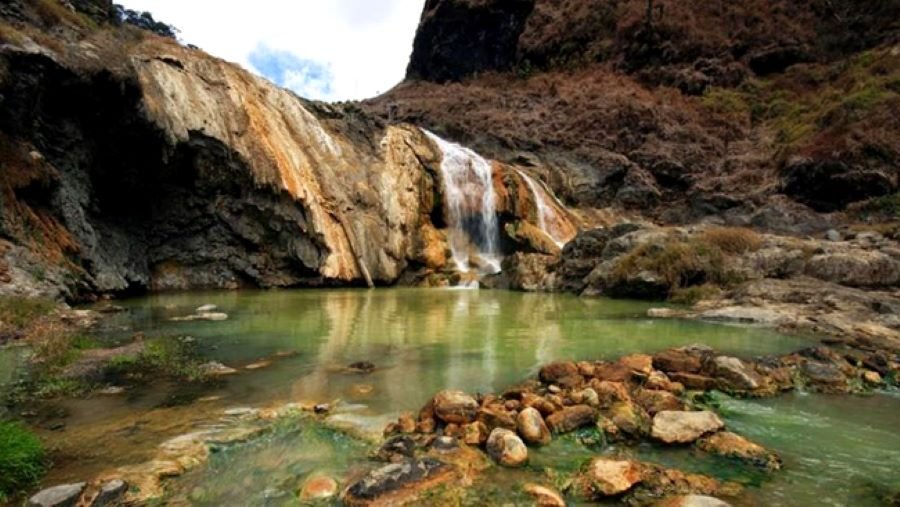
Where the Rinjani journey often begins
For hikers, Senaru means something entirely different.
This village is one of the classic gateways to Mount Rinjani.
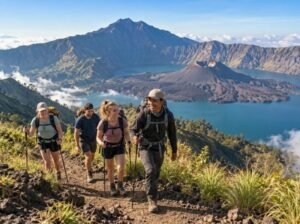
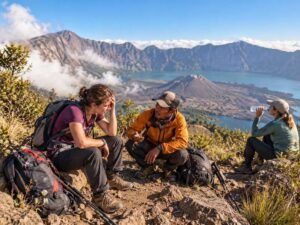
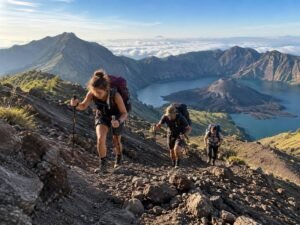
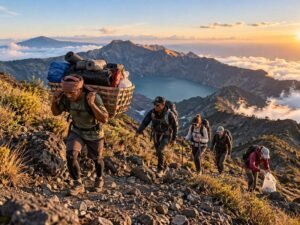
Some visitors arrive for a private Mount Rinjani trekking experience. Others choose a Rinjani summit trek that focuses on reaching the peak. Many prefer a Rinjani crater lake trek that spends more time around Segara Anak.
Travelers researching routes often look at a Rinjani Hot Springs Guide before deciding how they want to experience the mountain.
The increasingly popular Torean route has also changed how people experience Rinjani.
Instead of focusing only on the summit, some travelers now choose journeys that place more attention on valleys, rivers, and dramatic volcanic scenery.
Different route. Different rhythm. Still unforgettable.
Some of Lombok’s best views are somewhere else
Rinjani deserves its reputation.
No question about that.
Yet many travelers are surprised by how much they enjoy the hills around Sembalun.
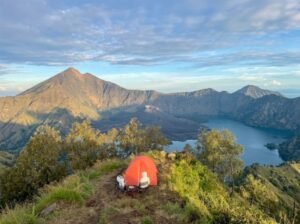
Pergasingan Hill is a good example. The trek is shorter. The commitment is smaller. The reward remains impressive.
The same applies to Anak Dara Hill.
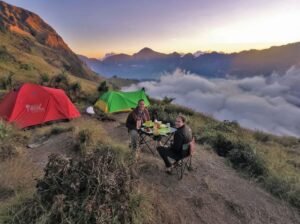
Sunrise camps here attract photographers, hikers, and travelers who want mountain scenery without spending multiple days on a volcano.
When morning light reaches the valleys below, the landscape feels almost painted.
Waterfalls beyond Senaru
One waterfall often leads to another.
After visiting Tiu Kelep, many travelers begin searching for more places hidden among Lombok’s forests.
Benang Stokel offers a different atmosphere.
Benang Kelambu feels different again.
The water spreads gently through layers of vegetation before reaching the pools below. The effect is softer than the dramatic drop at Tiu Kelep, yet many visitors remember it just as vividly.
Different scenery. Different mood. Both worth the trip.
When mountains are not the main goal
Not every traveler comes to Lombok for trekking.
Some are far more interested in local culture.
Others simply want quiet roads and landscapes that feel authentic.
A visit to a traditional Sasak Village offers a glimpse into local customs that remain alive today. Narmada Temple adds another layer of cultural history.
Then there is the countryside itself.
Cycling through rural areas often reveals parts of Lombok that never appear on typical tourist itineraries.
That is usually where a genuine Lombok adventure trip becomes memorable.
Not at the famous landmark.
Between them.
Small islands with a slower pace
The famous Gilis attract most visitors.
Nothing wrong with that.
But travelers looking for quieter beaches often head toward Sekotong or the eastern coastline.
Gili Nanggu remains one of the most relaxing island stops in the region.
Gili Sudak is popular for snorkeling and long lunches by the sea.
Gili Kedis is tiny. Walking around the entire island takes only a few minutes.
Further east, Gili Kondo offers another side of Lombok that many visitors never see.
The atmosphere feels simpler. Less crowded. More personal.
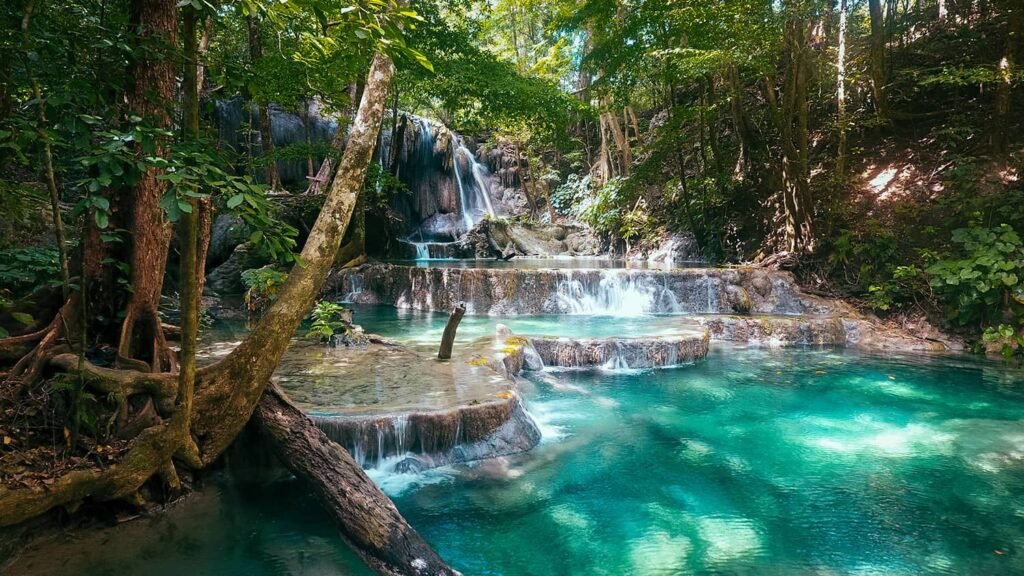
Continuing toward Sumbawa
Some adventures stop in Lombok.
Others keep going.
Crossing toward Sumbawa opens access to places that remain relatively unknown compared with Indonesia’s more famous destinations.
Saleh Bay has become increasingly known because of whale shark expeditions. Wildlife encounters always depend on nature, but the area continues attracting photographers and marine enthusiasts from around the world.
Moyo Island offers another reason to continue east.
Waterfalls, forests, coastal scenery, and a slower pace create a very different experience from the busy tourism hubs many travelers are trying to avoid.
Why private travel works so well here
On a map, many destinations appear close together.
Reality is more complicated.
Mountain roads take time. Weather changes plans. A place that looks like a quick stop sometimes becomes the highlight of the entire trip.
That flexibility is why many travelers prefer private arrangements.
A day can begin at a waterfall and end in a mountain village. Another may focus entirely on island hopping. Others combine cultural experiences with outdoor activities.
A customized Lombok tour package gives travelers room to adapt rather than rushing from one stop to the next.
Is one day enough for Senaru Waterfall?
For the waterfalls themselves, usually yes. For northern Lombok as a whole, many visitors wish they had more time.
Can I combine Senaru with Rinjani?
Absolutely. Many trekkers visit before or after their mountain adventure.
Is a guide necessary?
Not always. Many travelers still choose local guides because they add context and local knowledge that maps cannot provide.
When should I visit?
Dry season generally offers easier trail conditions, although the waterfalls remain attractive throughout much of the year.
Is Senaru suitable for non hikers?
Yes. You do not need trekking experience to enjoy the waterfalls or the village surroundings.
A waterfall that opens more doors than expected
People arrive expecting a waterfall.
They leave with a list of new ideas.
A trek in Rinjani. A sunrise camp in Sembalun. Hidden islands near Sekotong. A journey across Saleh Bay. Perhaps even a longer route through Sumbawa.
That is what makes Senaru Waterfall memorable.
Not because it is a single attraction.
Because it quietly introduces travelers to everything else that Lombok and the surrounding islands have to offer.
If you are looking for private Mount Rinjani trekking, waterfall tours, island hopping adventures, or customized journeys across Lombok and Sumbawa, local specialists such as Lombok Adventure Trip, Rinjani Trekking, and Private Lombok & Sumbawa Tours can help create a route that matches your travel style and pace.